Upholstery Cleaning in TW8
If you are looking for Upholstery Cleaning in TW8, you are probably dealing with one of the most common household and workplace problems in the area: sofas, chairs, dining seats, and office furniture that have become dull, marked, or less comfortable to use. In a busy part of West London like TW8, upholstery picks up everyday life very quickly. From family homes near Brentford and the riverside to rented flats, shared houses, serviced apartments, and commercial premises around the wider local area, fabric furnishings often need more than a quick vacuum to look and feel fresh again.
Professional upholstery care is about more than appearance. It can help remove trapped dust, food spills, pet odours, drink marks, and the build-up that settles deep inside fibres over time. If you have guests coming, are preparing a property for new tenants, or simply want your living room furniture to feel cleaner and more inviting, a local upholstery cleaning service can make a noticeable difference. The aim is to restore the fabric in a practical, careful way while keeping the material and the setting in mind.
In TW8, furniture cleaning needs are often varied. Some customers want a single armchair refreshed. Others need a full set of lounge seating cleaned after years of family use. Businesses may need reception seating, waiting room chairs, breakout-area sofas, or office soft furnishings maintained regularly so they continue to present well. Whatever the setting, a local service is useful because it can respond with the right equipment, the right method for the fabric, and an understanding of local property access and parking conditions.
Why Upholstery Cleaning Matters in TW8

TW8 includes a mix of homes and business spaces, and that variety has a direct effect on fabric furniture. Modern apartments, older terraces, converted properties, and commercial units all create different cleaning challenges. Upholstery can look clean on the surface while still holding onto dust, body oils, crumbs, pet hair, and odours deeper down in the padding. Over time, this can leave the material looking tired, feeling less hygienic, and sometimes even creating a stale smell in the room.
Regular vacuuming is helpful, but it cannot reach the same level of embedded dirt as a professional clean. This is especially important in homes with children, pets, or frequent visitors. It also matters in offices, customer-facing premises, and rental homes where presentation and hygiene are both important. A proper clean can help furniture stay in use for longer, which is often a more sensible choice than replacing pieces too soon.
Local knowledge matters because every upholstery job is slightly different. Some fabrics are delicate and need low-moisture treatment; others can handle deeper extraction. Velvet, cotton blends, synthetic upholstery, and leather-look materials all behave differently. A local team working in TW8 understands that a careful inspection comes first, followed by a method matched to the item rather than a one-size-fits-all approach.
What Our Upholstery Cleaning Service Includes

When customers enquire about upholstery cleaning TW8, they usually want to know exactly what is included. A good service should start with assessing the fabric type, condition, and any visible stains or wear. That initial check helps determine the safest and most effective cleaning process. Some items need more intensive stain treatment, while others are best cleaned with a lighter, more controlled method.
In many cases, the service may include pre-treatment of spots and marks, deep cleaning of the fabric, extraction of dirt and residues, and deodorising where appropriate. It can also include attention to seams, arms, cushions, and the high-contact areas that tend to collect grime first. For items with removable cushions, the cleaning process may be adapted so the whole piece is treated evenly and carefully.
Depending on the furniture and fabric, a local upholstery cleaner may use hot water extraction, low-moisture cleaning, or specialist solutions designed for delicate materials. The right method is essential because the goal is to clean effectively without causing shrinkage, colour bleeding, or damage to the structure of the upholstery. If a stain cannot be fully removed, a professional cleaner should still explain what can realistically be improved and what may remain visible.
Typical items cleaned
- Sofas and corner sofas
- Armchairs and accent chairs
- Dining chairs and fabric seat pads
- Office chairs and reception seating
- Ottomans, footstools, and benches
- Headboards and upholstered bed frames where suitable
Local Property Types and Why They Affect the Cleaning Process

One reason people in TW8 value a local service is that the area has a broad mix of property types. Apartment blocks, riverside developments, older family houses, and commercial premises all create different access conditions. Some properties have lift access and straightforward loading points, while others involve stairs, limited parking, or tight entrances. These practical details may seem minor, but they can affect how easily equipment is brought in and how long the appointment takes.
In homes close to busy roads or areas with higher foot traffic, upholstery can collect more dust than expected. In rental properties, wear and tear may be more visible because furniture has had a number of different occupants. In offices and shared workspaces, seating often needs periodic refreshing to maintain a professional appearance. A local upholstery cleaner familiar with TW8 can plan around these conditions and avoid unnecessary disruption.
Commercial customers also benefit from flexible service planning. Offices, salons, clinics, studios, and hospitality settings may need cleaning outside busy hours or in a way that keeps downtime to a minimum. For residential customers, particularly families with young children or pets, a cleaner may be able to focus on problem areas such as accidental spill zones, armrests, and the sections that receive daily use. Understanding the setting helps ensure the result looks natural rather than over-treated.
How Upholstery Cleaning Works
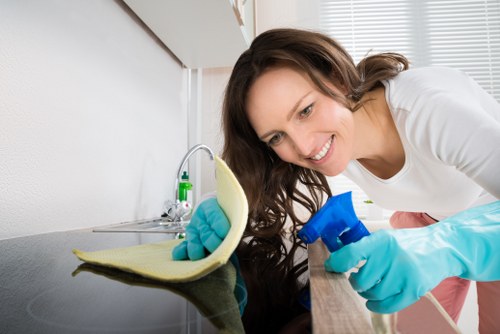
People often ask what actually happens during an upholstery clean. The process usually begins with a fabric check and a discussion of any particular concerns, such as wine spills, pet odours, grease marks, ink spots, or general dullness. This helps the cleaner decide which treatment is safe and which stains are likely to respond best to specialist products.
After inspection, loose dust and debris are removed. Stain treatments may then be applied to specific areas before the main cleaning stage begins. Depending on the material, the cleaner may use a deeper extraction technique or a gentler low-moisture method. The furniture is cleaned section by section so that attention is given to the areas that need it most, including cushions, armrests, backs, and piping.
Finally, the upholstery may be lightly finished or deodorised if needed. Drying times vary according to the fabric, the method used, the room temperature, and ventilation. In many homes, it helps to keep windows open if possible and avoid heavy use of the furniture until it is fully dry. Good communication matters here, because customers should know what to expect before the appointment begins.
Common stages in the process
- Fabric identification and condition check
- Pre-treatment of stains and high-traffic areas
- Deep cleaning or low-moisture treatment
- Rinsing or residue removal where needed
- Final inspection and aftercare advice
Stains, Odours, and Everyday Wear

Different types of marks require different approaches. A mud patch from shoes, a tea stain on a sofa arm, grease on a dining chair, and pet smells in a living room all need a tailored response. That is one reason people searching for Upholstery Cleaning in TW8 often prefer a local specialist rather than a general cleaning service. Upholstery is sensitive, and the wrong product can spread a stain or affect the fabric finish.
Everyday wear is also a major reason for booking. Even when there is no obvious stain, fabric may look uneven because oils from hands and heads settle onto the surface, dust becomes trapped in seams, and the colour loses brightness. This is especially noticeable on lighter sofas and high-use chairs. A thorough clean can help revive the appearance of the material and make the room feel fresher overall.
Odour removal is another common request in TW8 homes and workspaces. Cooking smells, pet odours, smoke residue, and general stale air can cling to fabric and upholstery foam. While no cleaning service should promise miracles, a careful treatment can help significantly reduce these issues. In many cases, customers are pleasantly surprised by how much cleaner the room smells once the furniture has been properly treated.
Why Choose a Local TW8 Upholstery Cleaner
Choosing a local company offers practical advantages. A team that regularly works in and around TW8 is better placed to understand local access issues, manage parking considerations, and plan around busy residential roads or commercial loading restrictions. That can make the whole experience smoother from the start. It also means the service can be more responsive when you need a visit arranged without unnecessary delay.
Local expertise is also helpful because furniture in different parts of TW8 faces different conditions. Riverside homes may deal with more moisture-related concerns, while busier streets can lead to more dust and grime. Commercial premises may need coordinated scheduling so that cleaning does not interfere with customers or staff. A local cleaner can take those realities into account rather than treating every job the same.
There is also reassurance in working with someone who understands the area’s mix of homes, flats, and businesses. That practical familiarity can reduce confusion on the day, especially where entry systems, shared access areas, or loading limitations are involved. If you are arranging upholstery cleaning for the first time, that local knowledge can make the appointment easier and more efficient.
Benefits customers usually notice
- Cleaner-looking fabric and brighter appearance
- Reduced odours in living or working areas
- Removal of embedded dirt from daily use
- Better presentation for guests, tenants, or clients
- Longer life for sofas, chairs, and other upholstered items
Residential Upholstery Cleaning for TW8 Homes
In homes, the need for upholstery cleaning often builds up gradually. A sofa may receive daily use for years before anyone notices how much the fabric has changed. Dining chairs can start to show marks around the edges. Armchairs may collect oils and dust in places that are not immediately visible. Once these signs appear, a professional clean can help restore a more cared-for look without the disruption of replacing furniture.
Family homes in TW8 often have a mix of practical needs. Parents may want to clean spills from children’s snacks or drinks. Pet owners may need help with hair, odour, or occasional accidents. People who work from home may want a cleaner, more presentable lounge or home office chair. In each case, the aim is to make the furniture feel more pleasant to use every day.
For landlords and tenants, upholstery care can also be useful before a move-in, after a tenancy, or as part of general property maintenance. Clean seating can improve the feel of a room quickly, which is particularly useful when preparing a property for viewing or occupation. Fresh furniture helps a space feel looked after, and that matters when people are making decisions about where to live.
Residential situations where cleaning helps
- After food and drink spills
- Before guests, family events, or seasonal gatherings
- During end-of-tenancy preparation
- When sofas begin to smell stale or look tired
- After pets have used the furniture regularly
Commercial Upholstery Cleaning in TW8
Businesses in TW8 often need upholstery cleaning for presentation as much as for hygiene. Reception seating, waiting-area chairs, meeting-room sofas, and staff breakroom furniture all contribute to the impression people get of the premises. When these items are clean and fresh, the whole workspace feels more professional and comfortable.
Commercial customers also tend to value flexibility. Some businesses need cleaning carried out before opening, after hours, or on planned maintenance days. Others want a recurring arrangement so the upholstery stays in better condition throughout the year. This is especially helpful where the furniture is used by staff, visitors, or clients every day.
From small offices to shared workspaces and customer-facing venues, fabric furnishings can become visibly worn much faster than people expect. High-contact seating often traps grease from hands, dirt from clothing, and general traffic from a busy environment. A tailored clean can help maintain standards, support comfort, and reduce the need for premature replacement. For businesses, that can be a practical investment in appearance and upkeep.
Common commercial requests
- Office chairs and meeting furniture
- Reception and waiting-area seating
- Hospitality seating and lounge furniture
- Staff room sofas and dining chairs
- Periodic maintenance cleaning for busy premises
Preparing for Your Upholstery Cleaning Appointment
Good preparation helps the service run smoothly and can improve the final result. You do not need to overdo it, but a few simple steps can make access easier and allow the cleaner to focus on the furniture itself. If you are booking upholstery cleaning in TW8, it is useful to think ahead about the room layout, nearby items, and any specific stains you want to mention.
Before the appointment, try to clear small items from around the furniture, such as cushions, throws, toys, or side-table clutter. If the item is heavy or awkward to move, it is usually best to leave it in place unless you have been advised otherwise. Mention any known spills, pet problems, or previous attempts to clean the fabric, because that information can influence the approach taken on the day.
It is also a good idea to consider ventilation and drying time. If possible, plan the clean for a time when the room can be aired afterwards. For busy households and workplaces, that may mean booking at a convenient time when the furniture will not be needed immediately. Small preparation steps can make a big difference to convenience and overall satisfaction.
Preparation checklist
- Remove small objects from the furniture area
- Point out stains, odours, or delicate sections
- Make sure access routes are clear
- Plan for drying time after the clean
- Ask about any special fabric care concerns
What Affects Upholstery Cleaning Prices
Customers often want to know what affects the cost of upholstery cleaning. Exact prices are usually based on the furniture type, the fabric, the size of the item, and the level of soiling. A small dining chair set will naturally involve a different amount of work from a large corner sofa. Delicate fabric may also need more careful treatment and extra time.
Stain severity is another factor. Light maintenance cleaning is usually quicker than dealing with long-standing marks, odours, or heavily used furniture. Access can also matter. Properties with difficult parking, restricted entry, multiple flights of stairs, or limited room to set up equipment may require additional planning. A reliable local service should explain these factors clearly so you understand what influences the quote.
If you are comparing options, focus on the detail of the service rather than simply looking for the lowest figure. Ask what is included, how the fabric is assessed, whether stain treatments are part of the job, and how the cleaner approaches drying and aftercare. Clarity matters more than guesswork when choosing a service for valuable furniture.
Common pricing factors
- Number and size of items
- Type of fabric and cleaning method required
- Degree of staining or odour
- Ease of access and parking
- Whether the work is residential or commercial
Areas Covered Around TW8
A local service for upholstery cleaning in TW8 often covers a wide nearby area, not just one street or property type. This is useful if you live or work near the Brentford riverside, in nearby residential pockets, or in surrounding business locations where furniture cleaning may be needed regularly. Because upholstery is often bulky and the work is done on site, having a cleaner who already operates in the local area can make booking and arrival more straightforward.
Nearby customer needs may include homes close to transport routes, flats with shared access, retail spaces, professional offices, or hospitality settings. Each of these comes with different practical demands. Some jobs need a careful setup in a compact room; others need quick turnaround in a busier commercial environment. A local provider can usually adapt more easily because the area is already familiar.
If you are unsure whether your property falls within the service area, it is worth making an enquiry and describing the location and the items to be cleaned. A professional team can then advise whether the job is suitable and what information is needed before booking. That simple first step can save time later and help you plan with confidence.
Frequently Asked Questions
How often should upholstery be cleaned?
It depends on how heavily the furniture is used. In a family home or busy office, a deep clean may be helpful more often than in a low-traffic room. Many customers choose to clean upholstery when stains appear, when odours build up, or as part of regular maintenance to keep furniture in better condition for longer.
Can all fabrics be cleaned the same way?
No. Different materials react differently to moisture, heat, and cleaning solutions. Some fabrics need gentle treatment, while others can handle more intensive cleaning. That is why a fabric check is such an important first step. A careful cleaner will choose the method based on the upholstery, not force a single process onto every item.
Will cleaning remove every stain?
Not always. Some stains are old, deeply set, or have already affected the dye in the material. While professional cleaning can often improve appearance significantly, no service should promise perfect results for every mark. What matters is an honest assessment and the best possible treatment for the item.
How long does upholstery take to dry?
Drying time depends on the fabric, cleaning method, temperature, and ventilation in the room. Some items dry faster than others. It helps to keep the space well aired if possible and avoid heavy use until the furniture is fully dry. Your cleaner should explain the likely drying time before the job is completed.
Is upholstery cleaning suitable for offices and commercial premises?
Yes. Offices, waiting rooms, and hospitality spaces often benefit greatly from professional cleaning because the furniture is used frequently and presentation matters. Cleaning can often be arranged at times that suit the business and reduce disruption to staff or visitors.
What should I tell the cleaner before the appointment?
It helps to mention the fabric type if you know it, any areas with strong staining, whether pets use the furniture, and whether there are access issues such as stairs or restricted parking. The more relevant information you provide, the easier it is for the cleaner to plan the job properly.
Ready to Refresh Your Furniture?
If your sofa, chairs, or office seating are looking tired or carrying unwanted smells, professional upholstery cleaning can help bring them back to life. For local customers in TW8, using a nearby service means easier planning, practical support, and a cleaner who understands the kinds of homes and businesses in the area. Whether you need a one-off treatment or regular maintenance, a careful clean can make your space feel more comfortable and better cared for.
Contact us today to discuss your furniture, ask about the best cleaning method for your fabric, and request a free quote. If you are ready to make your room feel fresher and more inviting, book your service now and take the first step toward cleaner upholstery in TW8.