Recycling and Sustainability at Carpetcleaning TW8
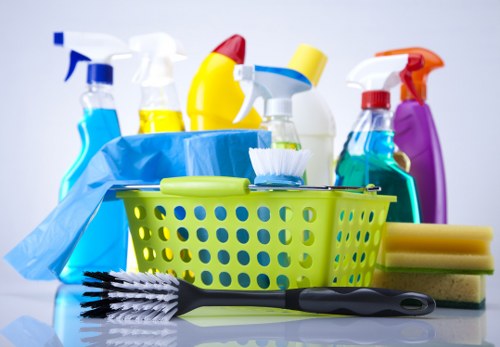 At Carpetcleaning TW8, sustainability is built into the way we work, from the products we choose to the way we sort waste after each job. Our approach to carpet cleaning in TW8 is designed to reduce landfill impact, support local reuse networks, and keep our day-to-day operations as efficient as possible. We believe that a cleaner home should not come at the expense of a dirtier environment, so every stage of our service is shaped around responsible recycling and lower-emission travel.
A key part of our environmental promise is a recycling percentage target of 85% for non-hazardous operational waste. That includes packaging, cardboard, plastic containers, paper, and selected textile offcuts collected during service runs. We also separate suitable materials for reuse where possible, helping to keep recyclable items in circulation rather than sending them to general waste streams. For many customers looking for sustainable carpet cleaning TW8 services, this practical commitment matters just as much as the final finish on the carpet.
We follow local authority expectations for waste separation closely, especially the borough-level approach that encourages residents and businesses to sort dry mixed recyclables, food waste, and residual waste into distinct streams. In the wider area, recycling is increasingly handled through clear separation rules, and we mirror that mindset in our own operations. This means our team is trained to identify what can be recycled, what should be reused, and what must go to a licensed disposal route. It is a simple system, but it supports a far more responsible cleaning service.
 To reduce travel-related emissions, our service vehicles are a growing part of our sustainability plan. We use low-carbon vans with improved fuel efficiency and cleaner engine standards, and we continue to review options for hybrid and electric replacements as the fleet is updated. This helps lower the carbon footprint of regular carpet care visits across TW8 and neighbouring areas. In addition, route planning is organised to minimise unnecessary mileage, which means fewer trips, less congestion, and a smaller environmental impact overall.
We also make practical choices on-site. Whenever possible, we use concentrated cleaning solutions and refillable containers to cut down on single-use packaging. Microfibre tools and durable accessories are preferred because they last longer and create less waste over time. In the same spirit, our Carpetcleaning TW8 recycling policy extends to separating bottles, paper wraps, and maintenance materials after each service run. These are small habits, but they add up to real savings in energy, materials, and disposal costs.
 Partnerships with charities are another important part of our sustainability work. Items that are clean, usable, or suitable for refurbishment are sometimes directed toward local charity partners, helping household goods and textile items find a second life. This approach supports community groups while reducing the amount of material heading to transfer stations or general waste processing. In practice, it means our TW8 carpet cleaning sustainability efforts do more than reduce rubbish; they also contribute to social value.
Where suitable, we work with local transfer stations and authorised waste facilities that handle separated recyclable loads responsibly. The purpose is not simply to remove waste quickly, but to make sure it enters the right stream for processing. In an area shaped by mixed residential, commercial, and riverside properties, that careful sorting matters. Some boroughs encourage broader participation in dry recycling schemes, while others focus on contamination reduction and cleaner waste presentation; our own system reflects those local priorities by keeping recyclable material as clean and sorted as possible.
Our sustainability targets are not limited to waste handling alone. We continually review detergent use, water efficiency, and service planning to keep resource use modest without compromising standards. A professional carpet clean should restore freshness while still respecting the environment, and that balance is central to our identity. For customers seeking eco-friendly carpet cleaning TW8, this means working with a company that treats recycling and carbon reduction as ongoing responsibilities rather than one-off claims.
We also encourage a reuse-first mindset behind the scenes. Durable equipment is repaired instead of replaced where practical, and consumables are purchased with recyclability in mind. Packaging is kept to a minimum, and staff are trained to spot opportunities for waste reduction throughout the working day. This combination of careful purchasing, route efficiency, and responsible disposal helps make Carpetcleaning TW8 a better fit for environmentally aware households and businesses.
 In the neighbourhoods we serve, sustainability often depends on attention to detail. That is why we keep an eye on local recycling trends, including borough-led efforts to separate paper, glass, cans, plastics, and organics more effectively. Although our core work is professional cleaning, we recognise that the wider waste picture influences every part of the service chain. From transfer station selection to charity partnerships, each decision is designed to support a cleaner and more circular local economy.
Our carpetcleaning TW8 sustainability approach is practical, measurable, and constantly improving. The 85% recycling target gives us a clear benchmark, while our low-carbon vans and local waste partnerships help us move toward it in a realistic way. We do not treat sustainability as a side note; it is part of the structure of the service, from scheduling and supply choices to disposal and reuse.
 As we continue to serve TW8, our focus remains on reducing waste, supporting charities, and improving efficiency without compromising quality. By combining responsible recycling, smart transport, and local partnerships, Carpetcleaning TW8 aims to deliver a service that is as considerate to the environment as it is effective in the home. That is the standard we work toward on every job, every route, and every recycling decision.